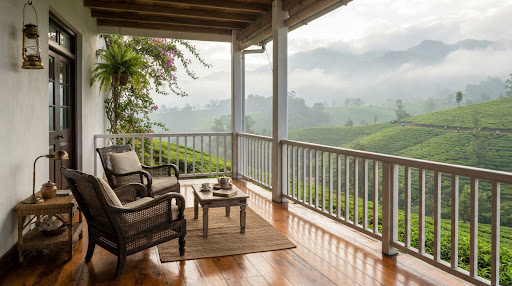
Historic Planter Bungalows
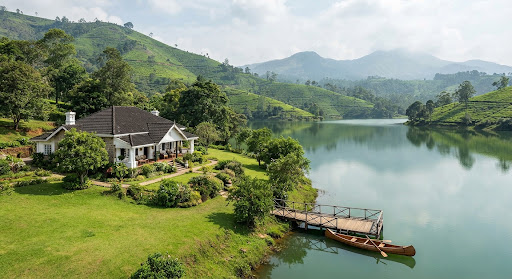
Log fireplaces in master quarters, Burma teak floors, and rose gardens tucked deep into Bogawantalawa and Castlereagh valleys.
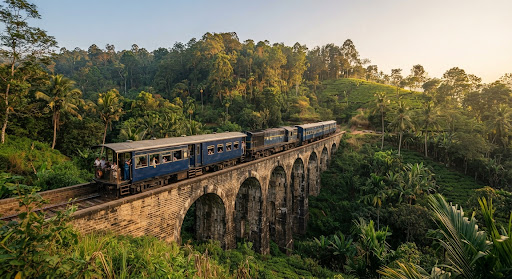
Restored 19th-century colonial tea planter bungalows, mist-veiled mountain railways, silver-service high tea at 6,000 feet, and storied spice merchant estates curated with unhurried grace.
Private steam engine charter permits now open for the Demodara pass.
From the tea gardens founded by Scotsman James Taylor to the sunlit bastion verandas of Dutch Galle, every dimension is chartered with private stewards and rare historical access.
Log fireplaces in master quarters, Burma teak floors, and rose gardens tucked deep into Bogawantalawa and Castlereagh valleys.
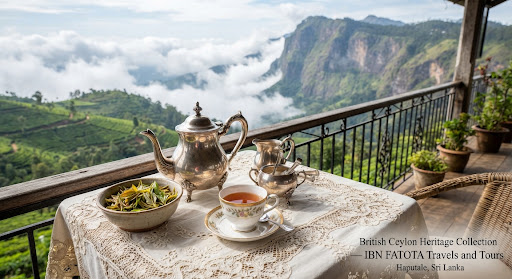
First-class vintage observation saloons winding through misty gorges, the engineering wonder of the Nine Arch Bridge, and Great Western Gap.
Private sensory masterclasses with veteran Tea Masters, pairing delicate Silver Tips and imperial Pekoe at Lipton's Seat at 1,970m altitude.
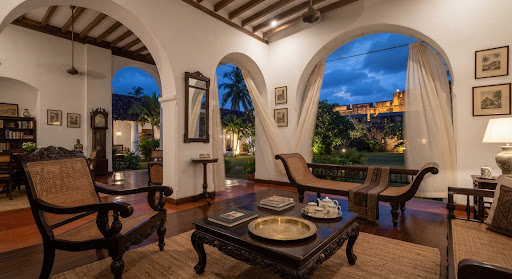
Grand 17th and 18th-century Dutch & British rampart residences, spice vaults, and sunset gin and tonics alongside Indian Ocean sea walls.
Carefully preserved properties where the service code remains as refined as it was during the peak of the 19th-century British Raj in Ceylon.
Lakeside Victorian planter sanctuary with personal butler service, clawfoot bathtubs, and lawn croquet.
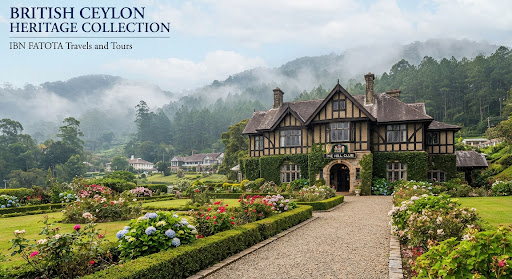
Tudor-era grandeur, billiard rooms, and high teas in 'Little England' with authentic 5-course formal dinners.
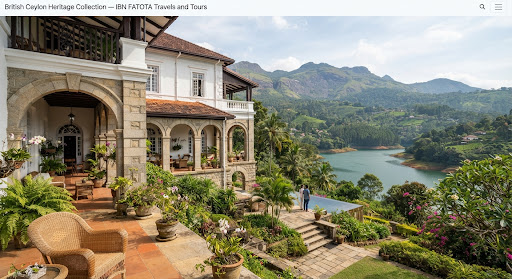
Architectural masterpiece above Victoria Reservoir with wrap-around verandas, antiques, and gourmet dining.
In 1867, when a fungal blight decimated the island's coffee crops, a solitary Scotsman named James Taylor planted nineteen acres of Assam tea bushes at Loolecondera Estate in Kandy. Within two decades, Ceylon became the world's most venerated cup.
Using his verandah as a rolling bench, Taylor perfected the firing and oxidation that sparked the global Ceylon tea era.
Purchasing estates in Dambatenne, Lipton established direct plantation-to-teapot exports, cementing Ceylon's reputation globally.
Built entirely of solid granite blocks and brick without a single piece of structural steel, connecting the tea mountains to coastal Colombo ports.
Our British Ceylon heritage curators collaborate directly with private estate owners to open closed colonial archives, arrange vintage observation carriages, and secure private verandah dinners.